Frequently Asked Questions
▼ What is caloric intake and why does it matter?
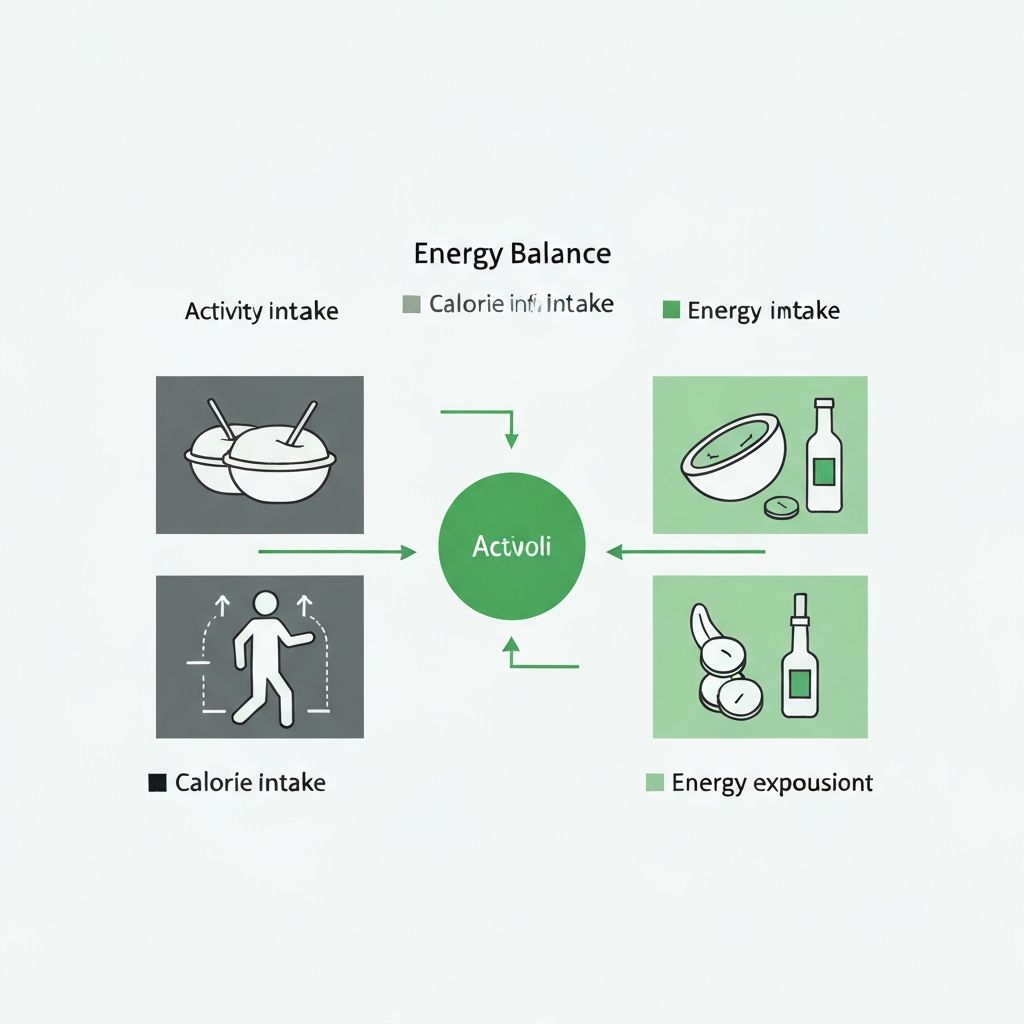
Caloric intake refers to the total energy consumed through food and beverages. It matters because it relates to energy balance—the fundamental concept of how much energy enters the body. However, caloric intake is just one piece of the larger nutrition puzzle, and should be understood alongside food quality, nutrient density, and individual factors.
▼ Can I change my body composition through nutrition alone?
Nutrition plays a significant role in body composition, but it works alongside other factors including physical activity, sleep, stress levels, genetics, age, and hormonal health. A comprehensive approach considering multiple factors produces different outcomes than focusing on nutrition in isolation.
▼ Are some foods "forbidden"?
From a nutritional science perspective, no foods are inherently "forbidden." Rather, foods exist on a spectrum of nutritional density. A balanced diet can include diverse foods, with an emphasis on nutrient-dense choices. Individual preferences, tolerances, and cultural practices all play valid roles.
▼ How much protein do I actually need?
Protein requirements vary based on age, activity level, health status, and individual factors. General guidelines suggest approximately 0.8 grams per kilogram of body weight for sedentary adults, with higher needs for those engaging in resistance training. Individual requirements differ significantly.
▼ What role does hydration play in body composition?
Water is essential for every metabolic process, including digestion, nutrient transport, and temperature regulation. Adequate hydration supports optimal metabolic function. Thirst is generally a reliable indicator of hydration needs, though individual requirements vary based on activity level and climate.
▼ How do genetics influence body composition?
Genetics significantly influence factors like metabolism rate, muscle fiber composition, fat distribution patterns, and appetite regulation. While lifestyle choices matter substantially, genetic background creates individual variation in how people respond to similar nutritional and activity patterns.
▼ Can sleep really affect body composition?
Research demonstrates that sleep quality and duration influence hormones that regulate appetite and energy expenditure. Inadequate sleep is associated with different metabolic patterns and appetite regulation. Sleep should be considered an important component of overall health and composition management.
▼ What is "metabolic rate" and can it be changed?
Metabolic rate refers to the total energy expended by the body at rest and during activity. While baseline metabolic rate is influenced by age, genetics, and body composition, it can be modestly influenced by factors like physical activity patterns and muscle mass development.